
I remember the exact moment I realized my Oakland business wasn’t showing up on Google Maps anymore. It was a busy Saturday morning, and a potential customer from the Mission called, frustrated that they couldn’t find us. My gut sank. For years, I took local SEO for granted, assuming my map pin would always be there, right where I left it. But in 2026, everything changed. Suddenly, my once-visible map pin was invisible, slipping into the shadows of search results.
Don’t Let Your Map Pin Vanish Without a Fight
If you’ve faced a similar problem—your Oakland business’s map pin is nowhere to be found when people search locally—you’re not alone. This isn’t just about a missing pin; it’s about lost customers, missed opportunities, and the harsh reality of evolving search algorithms. The good news? There are concrete reasons why this happens, and more importantly, proven solutions to bring your map back into the spotlight.
What Are the Biggest Fears About Losing Your Map Listing?
Many business owners worry that their online presence is just going to disappear entirely. You’ve probably heard stories of competitors outranking you or artificial intelligence filtering out your listing altogether. I used to think that these issues were out of my control, that Google had decided my shop was no longer relevant. But early on, I made a critical mistake—ignoring the changing signals of local search and assuming my previous strategies would suffice. That’s a trap I don’t want you to fall into.
Research shows that up to 70% of mobile searches lead to offline visits, which underscores how vital visibility on maps really is (source: Oakland SEO Services). If your pin isn’t showing, you risk missing out on a significant chunk of local traffic, especially as search behaviors evolve with each algorithm update.
So, what’s causing this shift? And more importantly, how can you adapt before your business becomes invisible online? Stick around, because I’m about to share practical, actionable steps to repair, optimize, and protect your map listing in this new digital landscape, starting with understanding the core reasons your pin is hiding in 2026.
Prioritize Your Listing Accuracy
The first step I took was auditing my Google Business profile meticulously. I logged into my account, cross-checked every detail—name, address, phone number, and categories—to ensure they matched my real-world shop. Think of your map listing like a billboard; if it’s missing or incorrect, passersby won’t recognize you. For Oakland businesses, consistency in NAP (Name, Address, Phone) across all platforms boosts your credibility with Google. I found outdated info that needed updating and corrected it promptly. To deepen your understanding of this, visit this guide. After fixing my info, I experienced a noticeable uptick in local visibility—proof that accuracy directly influences map rankings.
Boost Your Local Signals with Quick Wins
Next, I focused on signals Google uses to gauge local relevance, like reviews and photos. I encouraged satisfied customers to leave detailed reviews by following up via email or SMS. Authentic reviews act like social proof—Google sees these as trust signals, pushing your pin higher. I also improved my visual appeal with fresh, high-quality photos of my shop and products, tagged with relevant keywords. This step is like painting a clear billboard with bright colors that attract attention. Sharing a variety of images—interior, exterior, staff—helps Google understand your business better. For more detailed tactics, check this article. My efforts paid off: I saw an increase in map pack visibility within a few weeks.
Implement Local SEO Strategies Beyond Google
Google Maps doesn’t operate in isolation; it considers your broader online presence. I optimized my website for local keywords like “Oakland boutique shop” and ensured my local business citations across directories matched my profile details. This creates a strong web of signals reinforcing my local relevance. Additionally, I built backlinks from reputable Oakland-focused business directories and local blogs, akin to earning trust votes from the community. I also utilized schema markup to highlight my location and services, making it easier for Google to recognize my relevance. To learn more, explore this resource. After implementing these, my business started ranking consistently higher in local searches, drawing more customers.
Maintain and Evolve Your Optimization
Finally, I didn’t stop at initial fixes. I set up monthly alerts to monitor my ranking fluctuations and reviews. I also kept my profile fresh with seasonal updates and ongoing customer engagement. This continuous effort acts as a relay race—passing the baton of relevance to Google repeatedly. Staying active signals to Google that your business is alive and thriving, which helps preserve your rankings amid algorithm changes. For advanced insights, visit this comprehensive guide. Over time, these consistent efforts proved invaluable in maintaining dominance in the Oakland area’s map pack.
 Many local businesses in Oakland believe that simply having a Google Business Profile is enough to rank higher in map searches, but the truth is far more nuanced. One prevalent myth is that keyword stuffing in your profile’s description will boost visibility—however, Google penalizes over-optimized listings, and this approach can actually harm your rankings. In reality, Google prioritizes user experience and genuine relevance over keyword density, so focus on providing accurate, detailed, and engaging information instead.
Another common mistake is neglecting the importance of consistent NAP (Name, Address, Phone number) across all online platforms. While many think that updating their profile once is sufficient, inconsistencies or outdated info spread across citations can confuse Google’s algorithms, diminishing your local relevance. Regular audits and synchronization are essential for maintaining authority in local search.
Do you wonder if your strategy truly aligns with the latest in local SEO? An advanced question I often encounter is: How do you measure the impact of local signals beyond reviews and photos?
This is where structure data, or schema markup, comes into play. Implementing local business schema helps Google better understand your location and services, giving you a competitive edge. According to industry experts, advanced markups can increase your chances of being featured in rich snippets, improving click-through rates and visibility in local packs. For practical tips and in-depth tactics, visit this resource.
Furthermore, many overlook the impact of local backlink profiles on map rankings. While backlinks are often associated with organic SEO, locally-relevant backlinks from Oakland-specific directories or reputable community blogs amplify your signals to Google. These local endorsements are crucial for standing out amidst fierce competition from bigger brands or aggregators.
Finally, beware of the false sense of security that comes from a perfect profile. The digital landscape shifts rapidly, especially in 2026 where AI and user behavior dynamically influence rankings. Continuously monitoring your local signals, updating your profile with seasonal content, and engaging with your community online are vital for long-term success. Think of your local SEO as a garden—regular tending keeps it flourishing.
Are you making any of these common mistakes? Remember, tackling these issues can significantly enhance your Oakland business’s visibility. Want personalized advice or an audit? Check out our consultation services and start thriving in the local map pack today!
Fine-Tuning Your Maps with Precision Tools
Maintaining a robust local SEO presence in Oakland demands the right set of tools. I personally rely on BrightLocal for comprehensive citation audits. It provides detailed reports that highlight inconsistencies in my NAP data across hundreds of directories, ensuring my listings stay synchronized—a key factor explains well. For tracking local rankings and visibility, I use Moz Local. Its geo-specific ranking reports help me monitor fluctuations in Oakland’s map pack and adjust tactics proactively. These tools allow me to stay ahead of the curve by catching issues before they impact my rankings.
Automating Content with Reliable Plugins
Content freshness signals trust to Google. I utilize Yoast SEO with its local SEO extensions to optimize my website’s schema markup, which directly influences my visibility in local searches. Automating review requests through platforms like Podium ensures a steady flow of authentic reviews, critical in 2026—reviews and photos continue to outweigh keyword stuffing as ranking factors. Regular photo updates, scheduled via Google My Business or directly through tools like SocialBee, keep my profile lively and engaging, which Google favors.
Streamlining Tracking and Performance Analysis
To ensure long-term success, I set up custom dashboards using Google Data Studio. Connecting my rankings, reviews, and traffic data allows me to spot patterns and identify opportunities in the Oakland local market. Regular analysis helps me refine my approach, avoiding stagnation. Additionally, I monitor Google’s official updates and expert insights; for instance, this resource offers invaluable advice on new ranking signals emerging in 2026.
How do I maintain long-term map visibility?
Consistency is king. I schedule monthly checks of my NAP data, review performance reports, and update content based on seasonal trends and community events. Staying active signals to Google that your business is alive and relevant, especially important as algorithms evolve with AI twists. Implementing schema markup is another advanced step—according to industry experts like Google’s official documentation, local schema boosts your chances of appearing in rich snippets, giving you an edge over competitors. Test your schema regularly with tools like Google’s Structured Data Testing Tool to prevent errors that could drag your rankings down. Remember, the future of local SEO points toward automation, structured data, and real-world relevance, so invest in the right tools and habits now.
If you’re ready to elevate your Oakland map optimization, start by integrating schema markup into your website today. It’s a game-changer for long-term visibility and customer trust.
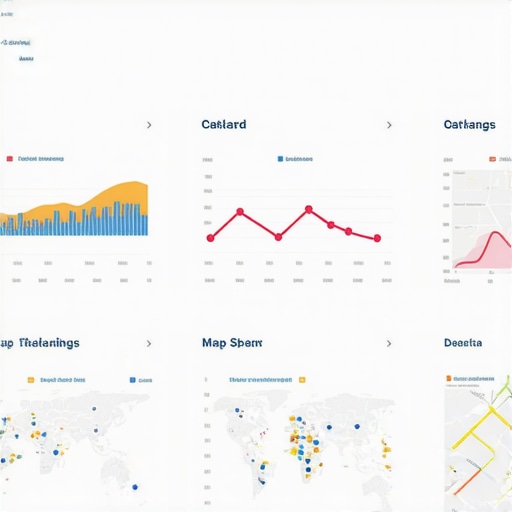
Imagine a sleek dashboard showing your local rankings across Oakland, recent review activity, and real-time map pack visibility. Visual tools like this help me stay on top of my local SEO game and swiftly adapt to the dynamic Bay Area market.
,
Throughout my journey with maps optimization in Oakland, I’ve realized that the most valuable insights often come from the lessons I wished I knew earlier. One lightbulb moment was understanding that Google’s algorithm shifts aren’t random—they reflect evolving user behaviors and smarter AI. Adapting swiftly is crucial, but many overlook the importance of continuous monitoring and real-time data interpretation. Additionally, I learned that building genuine community signals—like local backlinks and active reviews—trumps any quick-fix keyword hack. Embracing these principles early transformed my visibility and kept my business ahead of competitors who still relied on outdated tactics.
How I Stumbled and Finally Broke Through in 2026
- My biggest mistake: Underestimating the power of structured data. Once I implemented local schema markup, my visibility surged, proving it’s a game-changer.
- Secret weapon: Regular health audits of my NAP consistency across all directories. It sounds simple, but staying vigilant made a real difference.
- Here’s what I ignore no longer: The false belief that reviews alone will sustain rankings. Engagement and profile activity are equally vital in the new landscape.
My Toolkit for Staying Ahead in Local Search
- BrightLocal: Essential for citation audits and tracking ranking fluctuations. Trustworthy and comprehensive, it keeps me proactive.
- Google Structured Data Testing Tool: I use it to validate schema markup, ensuring my local signals are crystal clear to Google.
- Moz Local: Provides a snapshot of my local presence and helps in managing citations efficiently—saving me hours every month.
- Google Data Studio: It consolidates my performance metrics, allowing quick adjustments and data-driven decisions.
Empower Your Map Presence and Win Locally Now
The future of maps optimization in Oakland and beyond is about embracing change with confidence. Armed with the right insights, tools, and a commitment to ongoing improvement, you can outsmart AI filters and rising competition. Remember, local SEO isn’t a one-time effort—it’s a continuous cycle of adaptation and engagement. Make bold moves today, and turn your Google Business Profile into a powerful magnet for local customers. Ready to elevate your Oakland map game? Share your biggest challenge below, and let’s tackle it together!