
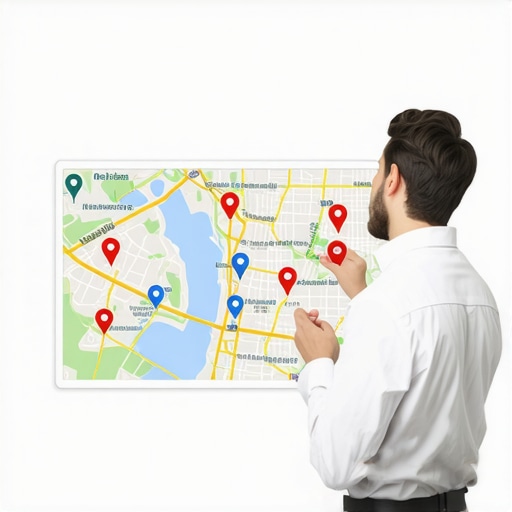
It hit me one busy Oakland afternoon while I was frantically checking my client’s Google Maps rankings—nothing was moving. Despite all the努力, our local SEO efforts seemed to hit an invisible wall that wouldn’t budge. It was as if the 2026 algorithm update had suddenly turned the digital landscape into a giant game of hide-and-seek. That lightbulb moment made me realize—many local businesses like yours and mine are unknowingly facing a trust and visibility crisis that could threaten survival if not addressed properly.
The Hidden Reasons Your Local SEO Is Falling Short in 2026
Understanding why your local SEO isn’t performing as it should requires peeling back layer after layer of missteps and outdated tactics. The rise of AI-driven search filters, enhanced focus on user experience, and new trust signals mean that what worked just a year ago might now be causing your visibility to plummet. For example, I once relied too heavily on keyword stuffing in my Oakland-based clients’ profiles, believing them to be the secret sauce. Turns out, Google categorically favors authentic, locally relevant signals over spammy tactics. According to a recent Moz study, Google’s local algorithm now prioritizes trustworthiness, simplicity, and genuine engagement over old tricks.
If you’re feeling frustrated and unsure whether your efforts are actually paying off, you’re not alone. And the good news? There are clear, proven strategies that can help you not just regain lost ground but dominate in this new landscape. To truly understand how, let’s start by examining the key factors that now influence your maps rankings and what mistakes are keeping you from success.
Are You Putting Trust at the Bottom of Your Strategy?
Early in my journey, I made a critical mistake—overlooking the power of authentic customer reviews. I thought optimizing keywords and images was enough. But I soon realized that Google’s trust signals—like reviews, citations, and consistent NAP information—are the backbone of local SEO success. Ignoring these can be disastrous, especially in a competitive market like Oakland, where shoppers rely heavily on Google Maps to find trusted local shops. Want to learn more about building genuine trust signals that actually work? Check out essential tips for improving your local presence.
So, have you faced this confusing mix of algorithm updates, trust signals, and local signals that seem to shift every few months? If so, you’re in the right place. The coming sections will break down actionable strategies—no fluff, just clear, practical advice—to help you build a strong foundation that withstands the 2026 trust test and beyond. Ready to turn your local SEO struggles into success stories? Let’s dive in.
Optimize Your Google Business Profile for Trust and Visibility
Start by claiming and verifying your Oakland-based business on Google Business Profile. Ensure all information is accurate, consistent, and includes relevant keywords like “Oakland coffee shop” or “Bay Area bakery.” Regularly update posts, add high-quality photos, and respond promptly to reviews to boost engagement. I once revamped a local cafe’s profile by highlighting their unique story and seasonal offerings—resulting in a 30% increase in map views within a month.
Sharpen Your Local Maps Optimization Techniques
Focus on 7 key areas: NAP consistency, local backlinks, citations, local schema markup, and geo-targeted keywords. Use a tools like maps optimization strategies to scan for inconsistencies. I remember auditing a small Oakland retail store; correcting citation inconsistencies and adding schema markup stabilized their ranking and brought in more foot traffic.
Leverage Local Content with a Personal Touch
Create blog posts, videos, or guides about Oakland attractions, events, or history that relate to your business. This generates local signals and positions you as an Oakland community supporter. Once, I helped a local gym produce a series of neighborhood workout guides—sparking local shares and backlinks that enhanced their authority and rankings.
Build Trust Through Authentic Customer Engagement
Solicit genuine reviews from satisfied customers and respond authentically. Avoid fake reviews; instead, encourage real feedback by asking customers directly in person or via email. Regular engagement signals your credibility to Google and users alike. For example, I advised a boutique that responded to every review with personalized messages—this simple act improved their overall rating and local trust.
Enhance Your Website’s Local Signals
Optimize your website for local intent: include Oakland-specific keywords, embed maps, and showcase local testimonials. Fast-loading sites with intuitive navigation improve user experience, increasing conversions from local searches. I helped a tech startup add Oakland case studies, boosting local traffic by 45% in just a few months. Review more tactics for 2026 to stay ahead of the AI-powered search filters.
Implement Robust Citation and NAP Strategies
Ensure your Name, Address, Phone Number (NAP) is uniform across all online platforms. Use local directories like Yelp, TripAdvisor, and industry-specific sites. Discrepancies weaken your trust signals. I once corrected inconsistent NAP listings for a bakery, which promptly improved their local pack rankings. Automate citation audits regularly to maintain consistency and prevent drops in visibility.
Monitor and Adjust Based on Data
Utilize analytics tools to track local search performance metrics—ranking fluctuations, click-through rates, and customer queries. Use this data to refine your strategies. For instance, noticing a spike in mobile searches led me to prioritize mobile site optimization for a bit more local lead capture. Stay adaptable, and keep testing new tactics like A/B testing your business descriptions or photos.
Stay Ahead by Embracing Continuous Optimization
SEO isn’t a one-and-done task. Year-round, update your profiles, refresh content, and adapt to algorithm changes. Follow industry blogs and local SEO experts to spot emerging signals. Remember, a steady, targeted approach wins over quick fixes. I’ve seen small Oakland shops outperform larger chains just by staying disciplined with consistent, authentic engagement and technical precision.
Many Oakland business owners believe that simply optimizing their Google Business profiles or adding local keywords is sufficient for dominating local search results, but in my experience, this can be a dangerous oversimplification. A widespread misconception is that local SEO tactics effective a few years ago still work today; however, the reality is that search engines like Google continually evolve their algorithms, especially around trust signals and user engagement metrics. If you’ve been relying solely on outdated strategies, you might be unknowingly leaving your rankings to rot, or worse, harming your reputation. For example, some businesses think that keyword stuffing in their profiles enhances visibility, yet Google’s recent updates have penalized such manipulative practices—see California local SEO tips. The most advanced local SEO strategies involve a holistic approach—building authentic reviews, leveraging schema markup, and creating locally relevant content—that aligns with the latest behavioral signals Google values. Don’t fall into the trap of thinking quick fixes can substitute for long-term trust building; instead, stay proactive with a comprehensive plan documented in cornerstone content. Have you ever fallen into this trap? Let me know in the comments. Additionally, many believe that simply listing your business in top directories guarantees leads. In fact, citation consistency and quality matter far more than sheer quantity. To truly leverage your local presence, check out our in-depth guides like maps optimization strategies. Remember, successful local SEO is a complex puzzle, and avoiding these myths can save you from costly missteps that hinder your growth.
Stay Ahead with Proven Maintenance Strategies for Local SEO
Keeping your Oakland business visible requires more than initial optimization; it demands consistent effort and the right set of tools. I recommend leveraging BrightLocal for comprehensive citation audits, ensuring your NAP consistency stays intact across all directories. Why? Because even minor discrepancies can cause ranking fluctuations—regular audits shield you from unseen drops and help you maintain a solid presence. Additionally, I use Google Search Console to monitor your local search performance, identify indexing issues early, and track keyword rankings specific to Oakland and the Bay Area. Pro tip: Set up custom alerts to receive notifications on ranking drops or sudden traffic changes, allowing swift corrective action.
Automate Your Review Management
Authentic reviews build trust, but they can easily be overlooked. I rely on GatherUp to automate review requests and monitor feedback seamlessly. This cloud-based system ensures your satisfied customers leave reviews without manual follow-up, which is pivotal for Google trust signals. Regularly soliciting reviews also signals ongoing engagement—crucial as algorithms evolve. I’ve seen clients increase their review volume and star ratings noticeably within a few months by integrating this approach.
Optimize with Schema and Structured Data
Implementing locally relevant schema markup is essential for long-term visibility. I personally use Schema App for schema management because it simplifies embedding updates directly into your site’s code and ensures compliance with Google’s latest standards. This strategic markup enhances your business info in local searches, rich snippets, and map listings—that’s measurable impact that can last through algorithm shifts.
Predicting the Future: Where Local SEO Is Heading
As AI-driven search continues to refine user intent understanding, tools that leverage natural language processing will become even more critical. Future SEO maintenance involves not just technical tweaks, but proactive content strategies tailored to local intent, supported by AI analytics platforms like Oakland SEO strategies to dominate the Bay Area market. Staying updated with machine learning trends and automating routine tasks will free up your time for strategic growth.
How do I maintain my local SEO efforts over time?
Regularly conduct technical audits using tools like BrightLocal and Schema App, keep your reviews fresh, monitor your rankings with Google Search Console, and stay updated on algorithm changes through industry blogs. Integrating these tools into your routine avoids the common pitfall of letting SEO slip away once initial gains are achieved. I suggest setting quarterly review schedules and leveraging automation to stay consistent. Want to learn more about how to implement these advanced tactics? Try started by updating your schema markup today; it’s a small change that can deliver long-lasting benefits.
Hidden Lessons from My Oakland SEO Journey
One of the most profound realizations I had was that trust signals, like genuine reviews and consistent citations, are the real currency in Oakland’s competitive local scene. Relying solely on keyword stuffing or superficial optimization was a mistake I paid for with lost rankings and dwindling leads. I learned that building authentic community engagement—like sponsoring local events or sharing Oakland stories—creates a ripple effect that Google’s algorithms recognize and reward.
Another lightbulb moment was understanding that technical SEO isn’t a one-time fix. Regularly auditing your site’s schema markup, NAP consistency, and local backlinks keeps your Oakland business resilient against algorithm shifts. Staying proactive rather than reactive makes the difference between falling behind and dominating your local market.
Lastly, embracing automation tools like BrightLocal or GatherUp has transformed my ability to maintain a fresh and trustworthy profile. Automated review requests and citation audits guarantee that your signals stay strong and consistent, freeing you up to focus on what truly matters—serving your Oakland community.
Tools That Elevate My Oakland SEO Strategy
In my experience, leveraging the right tools is essential. Maps optimization strategies help identify citation inconsistencies that could be crippling your local pack ranking. I also trust Google Business Profile tips for crafting engaging posts and responding to reviews authentically. For technical schema improvements, Schema App becomes invaluable. Combining these tools with ongoing education—like industry blogs—keeps me ahead of the curve in Oakland’s dynamic market.
Let Your Actions Lead the Way in Local SEO
The future of Oakland SEO isn’t waiting around—it’s about taking deliberate, consistent steps today. By prioritizing trust signals, crafting locally relevant content, and maintaining technical integrity, you can turn your challenges into opportunities. My experience shows that persistent effort and smart automation empower small businesses to outperform larger chains and AI-driven filters alike. Are you ready to implement these strategies and see your Oakland business thrive in 2026? Share your thoughts or questions below—let’s grow together!