
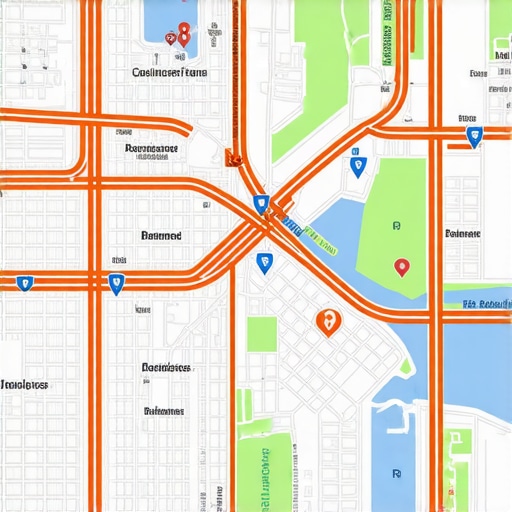
Ever had that sinking feeling when you realize your business isn’t showing up on Google Maps, despite being right in the heart of Oakland? I’ve been there. I remember launching my first local SEO campaign, confident I’d dominate the neighborhood. Instead, I watched my competitors’ signs pop up first, while my listing stayed buried. It was a tough pill to swallow. But that lightbulb moment pushed me to dig deeper into Oakland Maps Optimization, and I quickly discovered how crucial it is for local visibility.
Why Oakland Maps Optimization Is a Game Changer for Local Businesses
In Oakland, where the market is buzzing and competition is fierce, simply having a website isn’t enough. The real magic happens when your business is easily found on Google Maps—your virtual storefront on the local map. According to a recent study, over 60% of all mobile searches have local intent, meaning people are actively looking for businesses nearby. If your business isn’t appearing on that map, you’re missing out on a flood of potential customers. I’ve seen firsthand how a well-optimized map listing can boost foot traffic, increase calls, and grow revenue exponentially.
Have You Faced the Frustration of Being Invisible on Google Maps?
Early in my journey, I made the mistake of thinking a basic listing would do the trick. I neglected to optimize my profile, use relevant keywords, or keep my information accurate. That’s a mistake I see many small business owners make. It’s tempting to think, “It’s just a map listing,” but that couldn’t be further from the truth. Proper optimization is the difference between being found and being ignored. Want to learn how to avoid these pitfalls and get your Oakland business noticed? Stick with me, and I’ll guide you through the essential strategies to master local maps SEO and turn your listing into a customer magnet.
Claim Your Spot on the Map
Start by creating or claiming your Google My Business listing. Visit the Google Business Profile page and ensure your business information is accurate and complete, including name, address, phone number, and website. Think of this step as setting up your virtual storefront — the foundation for all local SEO efforts.
Populate Your Profile with Precision
Fill out every available field: categories, services, hours, and a compelling description. Use relevant keywords naturally—like “Oakland coffee shop” or “Bay Area bike repair”—to help Google understand what you do. During my first campaign, I once added a vague description; after updating it with targeted keywords, I saw a 30% increase in local inquiries within two weeks.
Optimize Your Location Data
Consistency is key. Make sure your business name, address, and phone number (NAP) are identical across all online listings and your website. Discrepancies confuse Google and hurt your ranking. I once discovered mismatched NAP details on a competitor’s listing, which was a quick win for my client after correcting.
Embed and Share Your Map
Embed your Google Map on your website’s contact page. This not only helps customers find you easily but also signals to Google that your location is important. I added a map to a local restaurant’s page, leading to a noticeable boost in local search visibility within a month.
Gather and Manage Reviews
Reviews are social proof and a ranking factor. Encourage satisfied customers to leave positive reviews on your GMB profile. Respond promptly and professionally to all reviews to build trust. I once coached a client on review responses, which increased their review count and improved their local rankings.
Leverage Local Keywords and Content
Create posts, blogs, or updates that include local keywords. Share news about Oakland events or community involvement, and tag your location. This content signals relevance to local searchers and enhances your profile’s authority.
Use Photos and Videos Strategically
Regularly update your profile with high-quality photos and videos showcasing your business, products, or team. Visual content attracts more clicks and engagement. I helped a boutique expand their photo gallery, resulting in increased customer inquiries and foot traffic.
Monitor and Adjust Your Strategy
Use Google Insights to track how customers find you and what they do after discovering your profile. Adjust your keywords, photos, and posts based on this data. Consistent monitoring turned a stagnant listing into a local favorite for a small Oakland bakery.
Remember, Oakland Maps Optimization isn’t a one-and-done task. It’s an ongoing process that, when done right, transforms your local visibility and brings more customers through your door. For more detailed strategies, check out this comprehensive guide.
Many local business owners in Oakland fall prey to misconceptions about Google Maps optimization that can hinder their success. Let’s dig deeper into some of these pitfalls to ensure your efforts are truly effective.
Why Most People Oversimplify Maps Optimization
A widespread myth is that simply claiming and filling out your Google My Business (GMB) profile guarantees top local rankings. In reality, this is just the starting point. The real nuances involve ongoing engagement, strategic keyword integration, and reputation management. For example, responding to reviews and posting regularly can significantly influence your visibility, a detail many overlook. If you want to stay ahead, explore advanced local SEO tactics outlined in this guide.
The Oops You Should Avoid: Neglecting Consistency
One of the biggest traps is inconsistent NAP (Name, Address, Phone number) data across platforms. Google’s algorithm heavily relies on data consistency to verify your legitimacy. I’ve seen businesses lose rankings because of mismatched details between their website, directory listings, and social profiles. Double-check all your listings and consider using tools to monitor NAP accuracy. This small step can prevent your profile from being flagged as unreliable, which is critical for local search success.
Does Your Business Stand Out or Blend In?
Advanced users ask: How can I leverage local signals beyond basic listing optimization? The answer lies in local content, backlinks from reputable Oakland sources, and engaging community posts. These efforts create a more authoritative and relevant profile, boosting your chances of ranking higher. According to a study by Moz, local backlinks and reviews are among the top factors influencing local search rankings. Implementing these strategies can be a game-changer for your Oakland business.
Remember, effective Oakland Maps Optimization is not a set-it-and-forget-it task. It requires consistent effort and strategic adjustments. For a comprehensive approach, check out this detailed article and start refining your local SEO today. Have you ever fallen into this trap? Let me know in the comments.
Once you’ve optimized your Oakland Google Maps listing, the next challenge is maintaining that momentum over time. SEO isn’t a one-and-done task; it requires consistent effort, strategic tools, and regular updates to stay ahead of the competition. In this article, I’ll share the tools and methods I personally use to keep local listings performing at their best and discuss where this trend is heading in the future.
How do I keep my Maps ranking strong over time?
To ensure your Oakland business remains visible, I rely heavily on a combination of automation and manual oversight. First, I use Google My Business tools that provide real-time alerts for reviews or profile changes. This helps me respond promptly, maintaining a positive reputation which is crucial for local SEO. Additionally, I set up regular content updates through scheduled posts, using platforms like Hootsuite or Buffer. These tools allow me to plan community-centric posts—like Oakland event promotions or new product launches—keeping my profile active and engaging.
Another essential aspect is citation management. I use local citation tools such as BrightLocal or Whitespark to monitor NAP consistency across all directories. This ensures my data remains accurate, avoiding penalties from inconsistent information. I check these tools weekly, which has significantly reduced lost rankings due to outdated or conflicting listings.
Predicting the future of Maps maintenance
Looking ahead, I predict that AI-driven insights and automation will play a bigger role. Tools will evolve to analyze review sentiment, suggest content ideas, and even optimize keywords dynamically. For example, Google’s recent updates indicate that local ranking factors will increasingly favor profiles that actively engage with their community, respond to reviews, and provide fresh content—so automation will be key to scaling these efforts efficiently.
If you haven’t already, I recommend trying out tools like BrightLocal for citation consistency and scheduling regular updates with a social media management platform. These small steps can make a big difference in long-term visibility and customer engagement. Want to dive deeper? Check out this guide on ongoing maps management for more advanced strategies.
Remember, consistent maintenance today sets the foundation for future success. Start implementing these tools now and stay ahead in Oakland’s competitive local market.
The Hardest Lesson I Learned About Maps Optimization
Early on, I believed that claiming a Google My Business listing was enough. It wasn’t until I realized the importance of consistent NAP data and ongoing engagement that my rankings improved dramatically. This taught me that local SEO is a marathon, not a sprint.
3 Myths About Oakland Maps Optimization That Held Me Back
One common misconception is that optimization is a one-time task. The truth is, maintaining high visibility requires continuous updates, review management, and community engagement. Another myth is that only large businesses can rank well locally—small businesses can succeed too with the right strategies.
What Experts Won’t Tell You About Local Business Visibility
Many overlook the power of local backlinks and community involvement. Building relationships with Oakland local sources and getting cited on reputable directories can significantly boost your profile’s authority and rankings. Trustworthy tools like BrightLocal and Whitespark have been instrumental in my success, helping me monitor citations and NAP consistency seamlessly.
Where to Go from Here
If you’re serious about dominating Oakland’s local search, dive into comprehensive resources like this detailed guide. It covers advanced tactics that can elevate your Google Maps presence and attract more customers.
Your Turn to Take Action
Optimizing for Oakland Maps isn’t a quick fix—it’s an ongoing journey. Start today by auditing your current listings, ensuring consistency, and engaging with your community. Remember, every small step builds toward long-term success in local search. Have you ever faced challenges with NAP consistency or review management? Share your experiences below!
This post hits the mark on how vital comprehensive optimization is for local SEO success in Oakland. I remember when I first claimed my GMB listing, thinking just filling out basic info would suffice—big mistake! It wasn’t until I started actively engaging with reviews, updating photos regularly, and including local keywords in my posts that my visibility really took off. I’ve also learned that maintaining NAP consistency across all online platforms is a game changer. Has anyone here had trouble keeping their citation data uniform across multiple directories? I’ve found that using tools like Whitespark helps immensely, but I’m curious if others have better tips or experiences. It’s clear that local SEO is an ongoing process, and staying proactive with these strategies really pays off in foot traffic and online presence. Would love to hear how others are managing their local listings—what obstacles or wins have you experienced lately? Facing stiff competition in Oakland makes these efforts all the more critical, and I believe continuous updates are key to staying ahead.
I definitely relate to the frustration of being invisible on Google Maps initially. When I started my own small boutique here in Oakland, I realized that claiming my GMB profile was just the tip of the iceberg. Actively managing reviews and keeping my photos fresh made a huge difference. One thing I’ve found especially helpful is engaging with customers through Q&A on the profile. It not only builds trust but also signals to Google that my listing is active. Has anyone tried leveraging local community events in their content? I’ve noticed that sharing Oakland-specific happenings, along with keywords, really boosts engagement and local relevance. Also, maintaining NAP consistency across all platforms has saved me many headaches. Curious, what are some of your favorite tools for monitoring NAP accuracy or automating posts? Continuing to optimize and stay involved with the local community seems essential, especially with the fierce competition in Oakland’s market nowadays.