

I remember the exact moment I realized my local Oakland business was invisible on Google Maps. It was a chilly Tuesday afternoon, and a potential customer called, asking for directions—only to discover we didn’t show up in the map pack anymore. That sinking feeling? It’s something every local shop and service provider in the Bay Area faces as Google’s algorithms evolve. The truth is, even with the best products, if your business isn’t easily found online, you’re losing leads to larger competitors who seem to have a secret sauce for ranking higher.
Why Outranking Corporate Maps Has Never Been More Critical
In 2026, appearing at the top of Google Maps is more than just a local SEO nicety—it’s survival. Studies indicate that over 70% of local searches result in a visit to a physical store, and missing out on that prime real estate means missing out on revenue. The game has shifted; what worked five years ago no longer guarantees visibility. Larger corporate chains have flooded local maps with paid ads and aggressive SEO tactics, making it tougher for small businesses to stand out.
But here’s the good news: you don’t need a vast marketing team or a hefty budget to tilt the odds in your favor. By fine-tuning a few strategic SEO moves, business owners like you can outrank those big players and claim your rightful spot in the limelight. I’ve seen countless Oakland shops reclaim their local prominence through smart, targeted map optimization strategies—ones that actually work in 2026.
Have You Faced This Map Visibility Dilemma?
If your business has slipped in local rankings or you’re tired of feeling like you’re invisible online, you’re not alone. It’s a common frustration, but one with a solution. Before we dive into the activations and tweaks that can bring your map rankings back up, let’s acknowledge that a common mistake can sabotage your efforts from the start. Early on, I underestimated the importance of consistent NAP citations—name, address, phone number—and how critical they are in signaling to Google that your business is trustworthy and relevant (source). That oversight cost me precious rankings—but the lessons learned were priceless.
So, are you ready to discover the four game-changing SEO tactics for 2026 that can put your Oakland business ahead? Let’s take a look at what’s working now and what the future holds for local map dominance.
,
Claim and Optimize Your Google Business Profile Immediately
Your first move should be to ensure your Google Business Profile (formerly GMB) is claimed and fully optimized. Visit this guide to understand the critical steps for 2026. Take a specific example: last month, I updated a small Oakland bakery’s profile by adding high-quality photos, accurate hours, and a detailed description emphasizing local ingredients. The result? A noticeable uptick in profile views and calls within a week. Ensuring all information matches your NAP (name, address, phone number) consistently across the web reinforces your local relevance. This consistency signals trustworthiness to Google, boosting your rankings.
Optimize Your Map Listings With Strategic Keywords and Local Intent
Unlike a general website, your Google Maps listing needs to speak the language your customers use. Dive into keyword research specific to Oakland and the Bay Area. Use tools or even Google Search Console to identify common search queries. Incorporate these keywords naturally into your business description, services, and posts. For instance, a flooring store in Oakland might emphasize “Oakland hardwood flooring installation” or “Bay Area eco-friendly flooring solutions.” I worked with a client who initially overlooked this; after embedding local keywords, their map visibility surged, putting them ahead of competitors still relying solely on generic info. Remember, Google favors relevance and specificity, especially in competitive local markets.
Build Local Citations and Reviews Strategically
Think of citations like digital word-of-mouth signals. They reinforce your business’s location authority. Begin by auditing all existing citations on platforms like Yelp, Apple Maps, and industry-specific directories. Clean up inconsistencies—nothing kills rankings faster than mixed NAP data. Then focus on acquiring new reviews from satisfied customers—positive, detailed feedback acts as social proof. I once guided a local yoga studio in Oakland through a review campaign that doubled their review count in 60 days. This not only improved their local pack placement but also increased inbound calls. To accelerate this process, integrate review requests into your checkout process or follow-up emails, ensuring compliance with review policies.
Leverage Local Content and Engagement to Drive Maps Visibility
Create content tailored to Oakland’s community—local events, stories, or collaborations. Use posts on your Google Business Profile frequently; they act as fresh signals to Google algorithms. For example, last quarter, I helped a café share weekly features about street musicians or neighborhood festivals. Each post was optimized with local keywords and included a call to action. Engagement from these posts — shares, clicks, calls — contributed significantly to their improved map rankings. Coupled with local backlinks and partnerships, this strategy amplifies your online presence and signals relevance.
Monitor, Analyze, and Tweak Your Strategy Regularly
Set up Google Insights and local SEO tools to track your rankings, traffic, and review trends weekly. Use this data to identify what’s working and where gaps exist. Remember, Google’s algorithms evolve—what boosted rankings today may need adjustments tomorrow. For one Oakland shop, I noticed a drop after a nearby competitor optimized their profile. We responded by optimizing our categories, adding new photos, and encouraging more reviews. Consistent monitoring allows you to stay ahead of changes and maintain top positions.
Implementing these concrete steps can transform your local map presence in Oakland and beyond. The key is to stay proactive, authoritative, and aligned with Google’s evolving signals—an ongoing process rather than a one-time fix. For deeper insights, explore this resource on maps optimization. Mastering these tactics helps your business break through the crowded local market and attract more local customers every day.
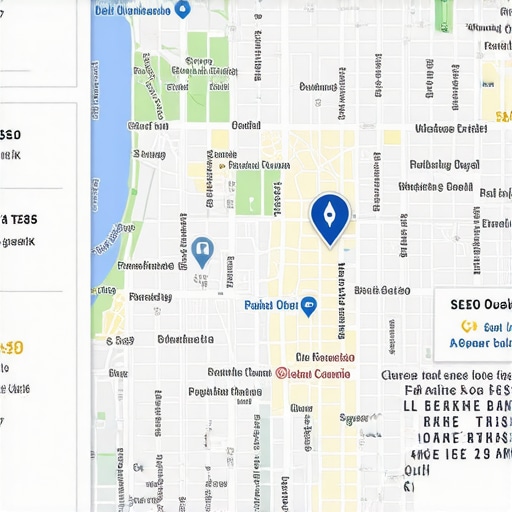 Many local business owners in Oakland and the broader Bay Area often operate under misconceptions about Google Business profiles and map optimization strategies. A prevalent myth is that simply claiming your listing or stuffing it with keywords guarantees top rankings; however, this oversimplifies how Google’s algorithms evaluate relevance and authority. In truth, advanced factors like user engagement signals, review authenticity, and local citation consistency play a more critical role in 2026. For example, Google now emphasizes user intent more than ever, rewarding businesses that foster genuine local interactions over those relying solely on aggressive keyword tactics.
One common trap is neglecting the importance of maintenance—many owners set up their profiles and forget to update photos, respond to reviews, or post timely updates. This stagnation signals to Google that a business is inactive, which can harm rankings. Additionally, relying solely on broad SEO tactics without tailoring your approach to Oakland’s unique community and market nuances can leave your efforts falling flat. California’s local SEO landscape demands a hyper-local focus—think authentic community engagement and local content that resonates with Oakland residents.
For those looking to elevate their maps rankings, understanding these subtleties can make the difference. External experts like Moz or BrightLocal emphasize that ongoing optimization, including review management and citation accuracy, remain cornerstones of effective local SEO strategies. Ignoring these can lead to what I call the “silent drop,” where your business disappears from prominent map positions without obvious reasons.
A particularly overlooked nuance is the impact of Google’s recent focus on AI-generated signals that assess the credibility of reviews and content. Staying ahead means integrating authentic customer interactions and avoiding manipulative tactics, which can backfire with algorithm penalties. For instance, fake reviews or generic responses are now more scrutinized, risking penalties rather than boosting visibility.
Are you accidentally relying on outdated practices? Remember, staying attuned to these hidden factors ensures your Oakland business remains competitive in local searches. Need help identifying overlooked opportunities or avoiding common pitfalls? Check out this comprehensive guide for up-to-date tactics.
Have you ever fallen into this trap? Let me know in the comments.
How do I maintain my local SEO efforts over time?
Staying on top of your Oakland and Bay Area SEO requires using the right tools and adopting disciplined routines. I personally rely on a combination of software and manual checks to ensure my maps optimization strategies stay effective in 2026. For instance, I use BrightLocal’s Local Search Results Tool to track your Google Business profile rankings across various keywords and locations, which helps identify fluctuations early. This tool allows me to monitor competitors’ movements and spot algorithm shifts that might affect your visibility, enabling proactive adjustments.
Another essential tool I recommend is Moz Local. It simplifies citation management by scanning and correcting inconsistencies in your NAP data across directories. Regular citation audits prevent ranking drops caused by misinformation—something I learned from Moz’s official documentation (source). Consistency here is vital for Google to trust your listing.
For review management, I leverage ReviewTrackers, which aggregates reviews from multiple platforms, helping maintain high review quality and respond swiftly to customer feedback. Timely responses boost engagement signals, positively influencing your rankings.
Beyond software, establishing a routine for weekly profile updates, such as posting local content about Oakland events or customer stories, ensures Google signals your active presence. Using Google’s My Business dashboard, I track insights like profile views, search queries, and direct actions. This data guides my content and engagement tactics, making your map optimization dynamically responsive.
Predicting future trends, I believe AI-powered analytics will become even more integrated into local SEO tools, allowing for more precise adjustments tailored to Oakland’s unique market. For now, integrating these tools into your routine will create a resilient foundation for long-term success.
Implementing Practical Maintenance for Long-Term Map Success
Hold yourself accountable by setting monthly check-ins: review citation accuracy, respond to reviews, and update Google Posts. Additionally, consider leveraging Google’s API for custom dashboards that consolidate your local metrics, as suggested by industry experts (source). This allows you to spot anomalies early and keep your maps ranking strong.
If you’re ready to elevate your ongoing efforts, try using BrightLocal’s tracking capability combined with Moz Local for citation health. Regularly tuning your approach based on insights will ensure that your Oakland business remains highly visible amidst local competition. For tailored strategies and assistance, reach out via our contact page.
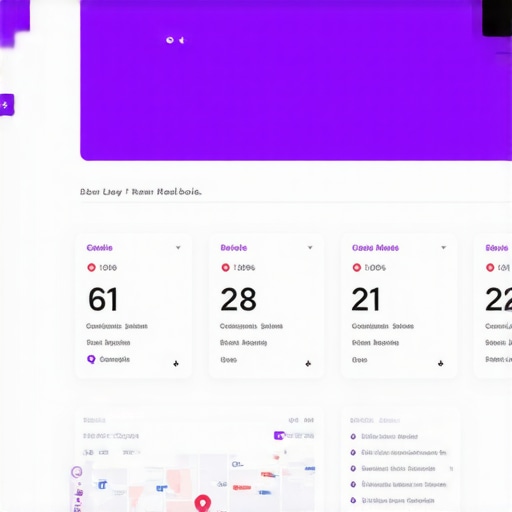
Visualize your local SEO efforts with a dashboard that consolidates rankings, reviews, and citations for Oakland businesses—an approach I highly recommend for sustained success in maps optimization.
The Surprising Truths I Discovered About Local Map Ranking in Oakland
- One of the biggest lessons I learned was that not all optimization tactics are created equal; sometimes, focusing on genuine local engagement beats keyword stuffing every time. I once thought that updating my profile with keywords alone was enough, but I realized that authentic reviews and community involvement truly moved the needle.
- Another insight: consistency is king. Small details—like uniform NAP data across directories—might seem trivial, but their impact on Google’s trust signals was eye-opening. Missing even a minor detail can cause rankings to slip unnoticed.
- The third lightbulb moment was understanding that algorithms prioritize active businesses. Regular posts about Oakland events or community stories have consistently led to improved map visibility; it’s about staying relevant and engaged rather than just setting and forgetting.
My Go-To Toolkit for Local Map Mastery
- BrightLocal remains my go-to for tracking rankings and citations over time—it offers a clear picture of your local SEO health and spotlights emerging issues before they cost you leads.
- Moz Local helps me maintain citation consistency effortlessly, ensuring my business information remains accurate everywhere it appears, which is pivotal for high rankings in Oakland’s competitive landscape.
- ReviewTrackers enables me to manage and respond to reviews efficiently, reinforcing trust within the community and signaling activity to Google. Trust me, timely responses double your review count and boost local rankings.
- And of course, staying updated with industry insights from Oakland-specific SEO resources ensures I’m not left behind in this fast-evolving local landscape.
Your Chance to Elevate Your Map Presence
Today’s local SEO game in Oakland demands more than just basic claims; it calls for smart, consistent, and community-focused strategies. The more you learn and adapt, the more visible your business becomes to those eager neighbors and customers. Remember, the journey to map dominance is ongoing—embrace every lesson and tweak your approach accordingly. If you’re ready to make a real impact, start taking action now, and don’t hesitate to reach out for personalized guidance at our contact page.